Slaves to the Algorithm
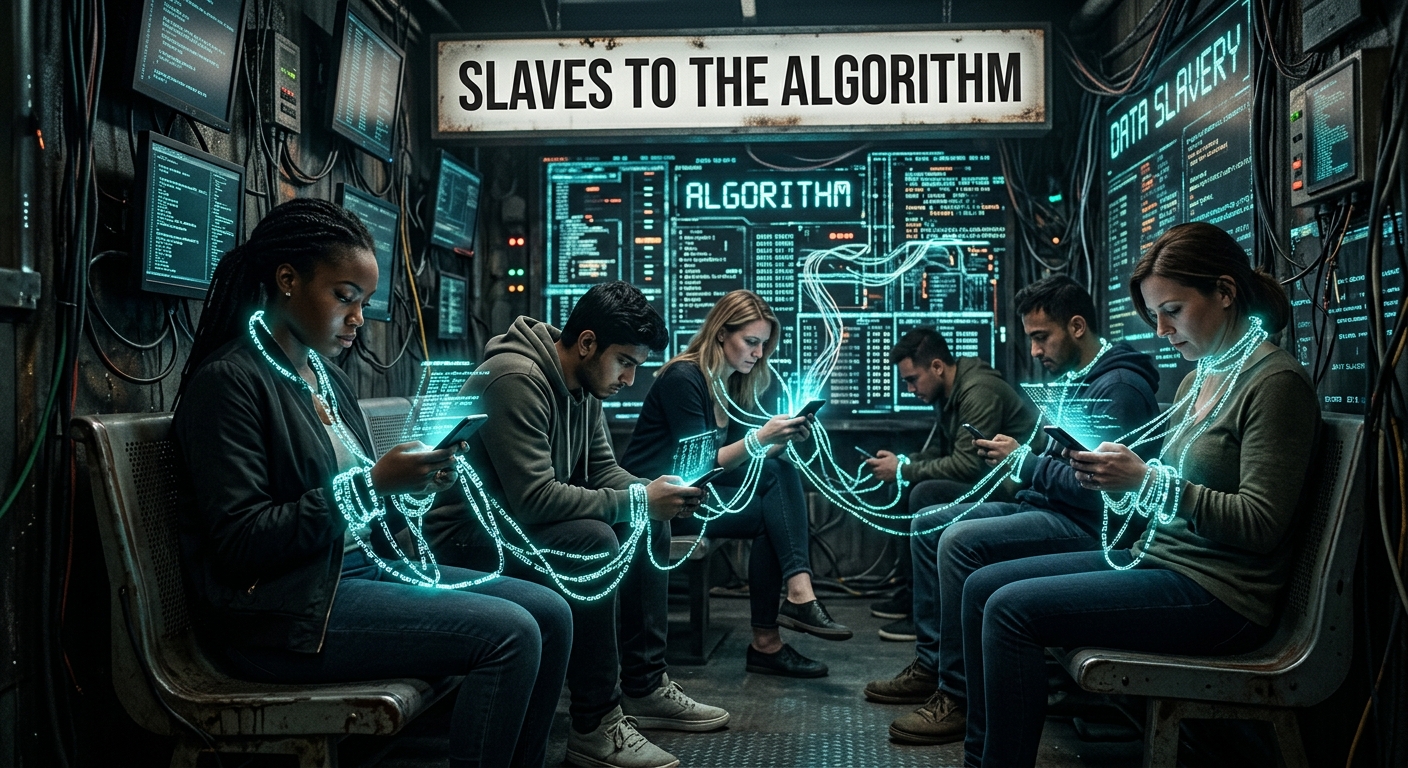
Try to recall the last moment you took a photo, wrote a post, or simply shared a thought online. Now be honest with yourself: how much of it was a pure urge to share something real, and how much was a quiet, almost automatic calculation of how it would look, how much engagement it would generate, and whether the network would even show it to anyone?
The thing is, we stopped fighting the feed a long time ago. After years of scrolling, consuming, and trial and error, the feed won, but not in obvious ways. Our brains, without us even noticing, have been rewired. We no longer need anyone to explain how to work with the algorithm; we have become accustomed to thinking like it. Our thoughts are naturally framed around an opening hook, our photos are taken from pre-considered angles, and even our semi-private experiences are quickly processed by an internal operating system: how will this translate into content?
Sometimes it happens consciously, when we adjust our phrasing, add a keyword, or choose the right time to post. But the truly frightening part is that most of the time it happens entirely unconsciously. We have grown accustomed to censoring overly complex ideas, dropping nuances, and pushing boundaries simply because we know that is what holds attention. Natural human sentiment, with all its awkwardness and beauty, has been replaced by the drive to generate quick impact.
The price of this endless adaptation is not just extra screen time or digital fatigue. The price is a quiet drain on our identity. When we align with what is requested, what is right, and what makes the machine echo us further, we slowly lose our original voice. Originality fades, replaced by a processed, polished, and above all, uniform version of ourselves.
We might think we are the ones managing our profiles, but in practice, our thinking has become a slave to the system. The only remaining question is whether we still have the ability to think, create, and live without asking permission from some code.